


Reusable Booster Rockets: Changing the Future of Space Travel
In the past, space exploration was incredibly expensive. One major reason was that every time a rocket launched, the main booster — the large, powerful section that lifts the rocket off the ground — was discarded after a single use, falling into the ocean or burning up in the atmosphere. It was like throwing away an airplane after one flight. Today, however, reusable booster rockets are revolutionizing the space industry.
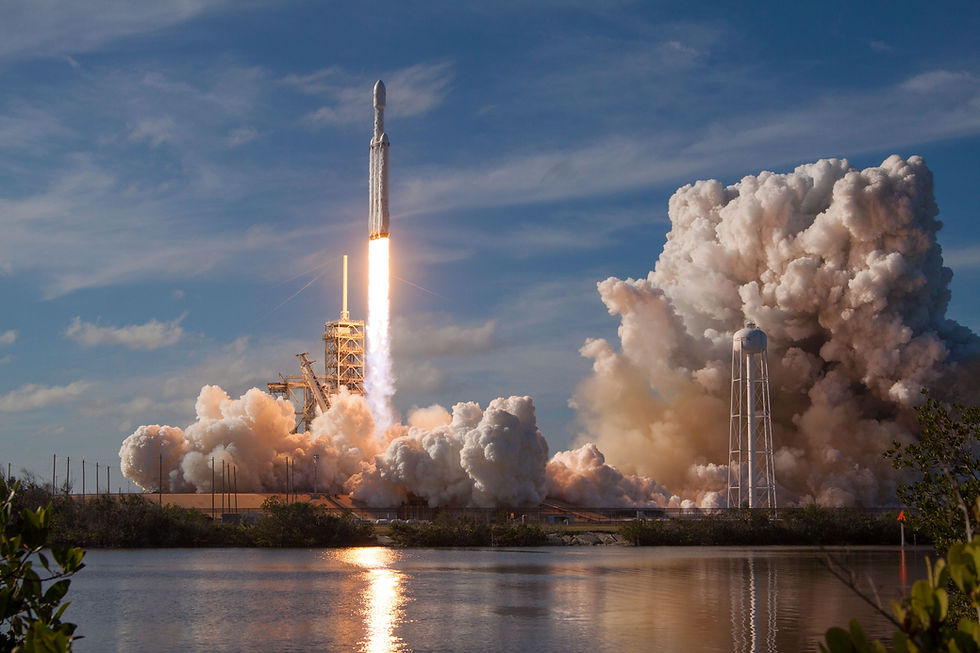
What Are Reusable Booster Rockets?
Reusable booster rockets are rocket stages designed to return safely to Earth after launch so they can be used again for future missions. Instead of being destroyed, these boosters land vertically back on land or on floating platforms at sea. After some checks and minor repairs, they can be refueled and relaunched.
One of the leading companies pioneering this technology is SpaceX with its Falcon 9 rocket. Other organizations, like Blue Origin and Rocket Lab, are also developing reusable rocket systems.
Why Are They Important?
1. Lowering Costs
• Building a rocket is extremely expensive, often costing tens of millions of dollars. Reusing boosters dramatically cuts down the cost per launch, making space travel more accessible for businesses, governments, and scientists.
2. Faster Turnaround
• Instead of spending months building a new rocket, companies can refurbish and relaunch an existing one in a matter of weeks or even days. This could lead to more frequent and reliable missions.
3. Environmental Benefits
• Reducing the number of rockets that end up as debris helps protect Earth’s oceans and the atmosphere from pollution.
4. Paving the Way for Future Exploration
• For ambitious projects like sending humans to Mars or building space habitats, the cost savings from reusable rockets are essential.
How Do They Work?
After a rocket launches and completes the most energy-demanding part of the flight, the booster separates from the rest of the spacecraft. Small thrusters and grid fins guide it back through the atmosphere. Then, using its engines, the booster performs a controlled descent and lands upright — sometimes on a floating drone ship if it’s far out over the ocean.
Precision technology, advanced navigation systems, and powerful engines make this incredible maneuver possible.
Challenges of Reusability
While reusable rockets offer many benefits, there are still challenges:
• Wear and tear: High speeds, heat, and pressure during re-entry can damage boosters.
• Maintenance costs: Some parts still need to be replaced between flights.
• Reliability: Ensuring the booster is just as safe and effective every time it is reused.
Companies are constantly improving designs to make boosters more durable and cheaper to refurbish.
The Future of Reusable Rockets
SpaceX has already reused some Falcon 9 boosters more than 10 times, showing the system works. Their next-generation rocket, Starship, is being designed to be fully reusable — not just the booster but the entire spacecraft.
In the future, reusable rockets could make space tourism, lunar bases, and missions to Mars much more realistic. Reusability is moving humanity closer to a future where space is part of everyday life, not just an extraordinary achievement.
Reusable booster rockets represent a major breakthrough in space technology. By lowering costs, reducing waste, and making space travel more routine, they are helping to open a new chapter in humanity’s journey to the stars.


Comments